

Crawl Space Encapsulation in North Carolina
Crawl Space Dehumidifier vs. Encapsulation:
Which Moisture Control Option Does Your NC Home Need?
If you live in North Carolina, you know how humid it gets. From Wilmington and Jacksonville on the coast to Fayetteville and Raleigh inland, summer air is heavy and damp. A lot of that moisture ends up somewhere most homeowners never look: the crawl space.
When people start looking for a fix, two options come up a lot: a crawl space dehumidifier and crawl space encapsulation. Both deal with moisture, but they’re not the same thing, and they don’t solve the same problems. At Coastal Crawl Space and Foundation Repair, we get this question all the time. Here’s how we explain it.

Humidity vs. Standing Water: Start Here
Before you pick a solution, figure out what kind of moisture you’re dealing with.
Humidity is water in the air. Signs include a musty smell, damp or sagging insulation, condensation on pipes or ductwork, and mildew spots on wood.
Standing water is liquid water on the ground. Signs include puddles, muddy soil after it rains, and water lines on the foundation walls.
This matters because the fixes are different. Humidity is an air problem. Standing water is a water management problem. A dehumidifier can help with the first one. It won’t fix the second.
What a Crawl Space Dehumidifier Does
A crawl space dehumidifier pulls moisture out of the air and sends it out through a drain line or condensate pump. Crawl space units aren’t like the portable dehumidifiers you’d put in a basement. They’re built to fit in tight, low spaces and handle higher moisture levels.
A dehumidifier helps most when:
- The crawl space is already sealed or mostly sealed
- The main issue is humidity, not water coming in
- You need ongoing moisture control through the humid months
The EPA recommends keeping indoor humidity below 60 percent, because mold and mildew are more likely to grow above that. In the right setup, a dehumidifier is one way to stay in that range.
When a Dehumidifier Alone Isn't Enough
Here’s the catch. If your crawl space has open vents, a dirt floor, or gaps letting outside air in, a dehumidifier is fighting a losing battle. Every time humid air comes through the vents, the unit has to pull that moisture out again. Moisture keeps rising from the bare ground too. The machine can end up running nonstop while the space still never really dries out.
That’s why we rarely recommend a dehumidifier by itself in an open, vented crawl space.
What Crawl Space Encapsulation Does
Crawl space encapsulation seals your crawl space off from the ground and the outside air. It usually includes:
- Clearing out debris and damaged insulation
- A heavy-duty vapor barrier across the floor and up the walls
- Sealing vents, gaps, and the access door
- Insulation where it’s needed
- In many cases, a dehumidifier for ongoing moisture control
A dehumidifier dries the air over and over. Encapsulation cuts off a big part of where that moisture comes from in the first place.


Why Many Homes End Up With Both
Choosing between a dehumidifier and encapsulation isn’t always one or the other. In a lot of North Carolina homes, the best setup is both. Encapsulation seals the space so less moisture gets in, and the dehumidifier handles what’s left, like humid summer air or moisture coming down from the house above. Once the space is sealed, the dehumidifier has a much more manageable job.
A Real Example From Stella, NC
On a new construction home in Stella, our team installed a 20 mil reinforced liner across the crawl space floor and up the walls, wrapped the piers, added insulation along the foundation walls, and installed a 100-pint dehumidifier with a condensate pump. It’s a good example of encapsulation and dehumidification working together as one system.
When Drainage or Structural Problems Need an Inspection
A dehumidifier won’t fix water coming into your crawl space, and neither will a vapor barrier. Neither one fixes damage that’s already there. Schedule a professional inspection if you notice:
- Standing water after heavy rain
- Water stains or seepage on foundation walls
- Soft, sagging, or bouncy floors
- Rotting or crumbling joists, beams, or sill plates
- Cracks in your foundation walls
- Visible mold on wood framing
If water is getting in, you usually need a drainage solution first, like a sump pump, interior drainage, or better grading. If wood is damaged, structural repairs may need to happen before anything gets sealed. Encapsulating over an active water or structural problem can hide it instead of fixing it. That’s where crawl space repair comes in.

FAQs About
Crawl Space Dehumidifiers & Encapsulation
Can I just put a dehumidifier in my crawl space?
You can, but in a vented crawl space with a dirt floor it will likely struggle to keep up. Dehumidifiers tend to work best in a crawl space that’s already sealed.
Does encapsulation include a dehumidifier?
Often, yes. Many encapsulation systems include one for ongoing humidity control, but it depends on your home and what the inspection shows.
Will a dehumidifier fix standing water?
No. Standing water is a drainage issue. A dehumidifier removes moisture from the air, not water pooling on the ground.
Is a vapor barrier the same as encapsulation?
Not quite. A vapor barrier covers the ground. Encapsulation goes further: it also covers the walls and seals the vents, gaps, and access points.
How do I know which option my home needs?
The best way to know is an inspection. We’ll look at what’s causing the moisture and walk you through your options. No pressure.
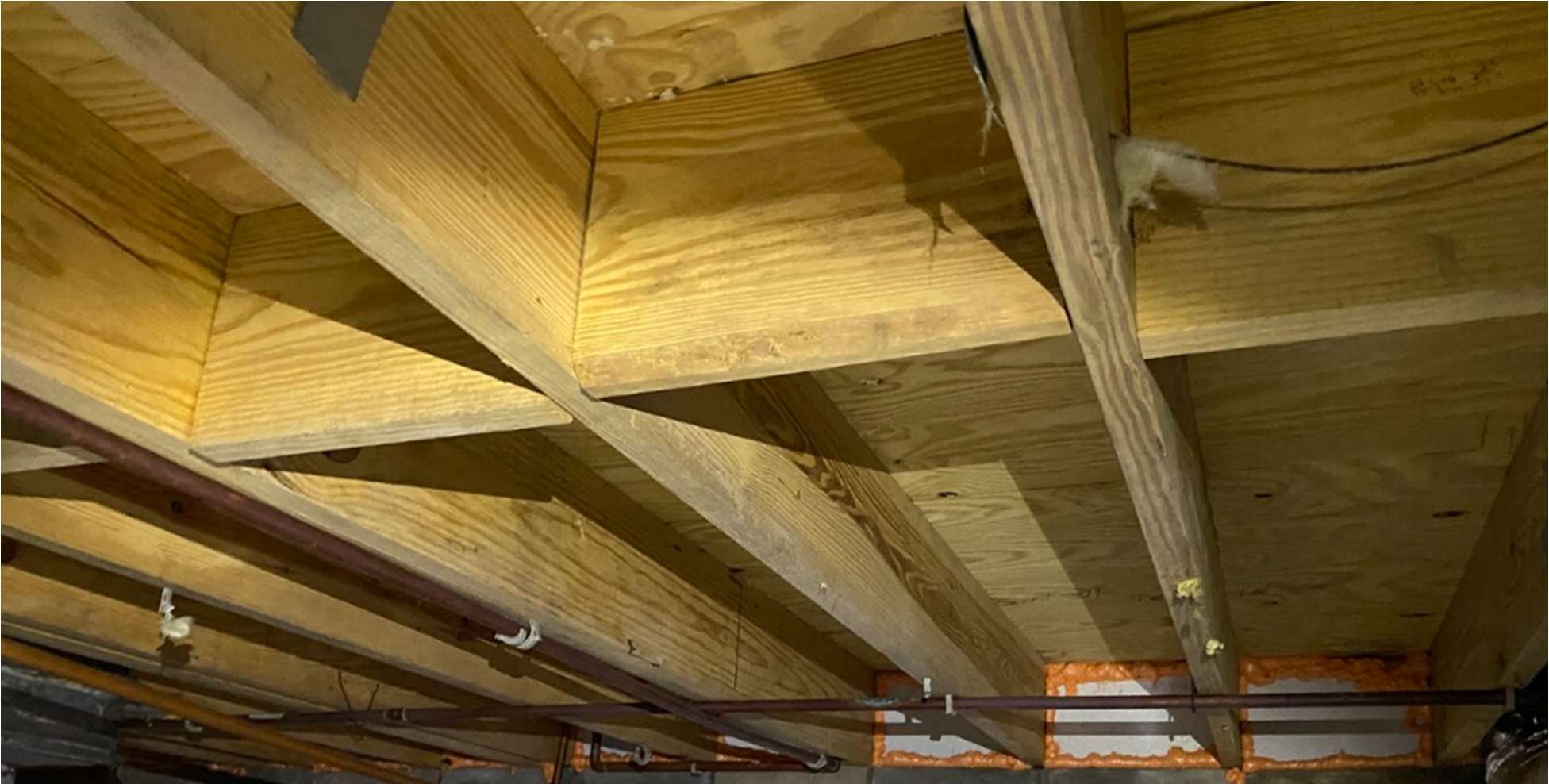
A dehumidifier controls the air. Encapsulation seals the space. Drainage handles water, and structural repairs fix damage. Most crawl space moisture problems need some mix of these, and the only way to know what your home needs is to see what’s going on underneath it.
Not sure where your crawl space stands? Schedule a free inspection with Coastal Crawl Space and Foundation Repair today.