Crawl Space Repair in North Carolina
What Does Crawl Space Repair Include?
A Guide for North Carolina Homeowners
If you’ve been told your crawl space needs work, or you’re starting to notice things like musty smells, soft floors, or moisture under your home, you probably have questions. What does crawl space repair actually involve? How do you know what your home needs? And how do you make sure you’re not paying for something unnecessary?
This guide breaks it all down. Whether you’re in Jacksonville, Clinton, Fayetteville, or anywhere in between, here’s what North Carolina homeowners should know about crawl space repair before picking up the phone.
Signs Your Crawl Space Needs Repair
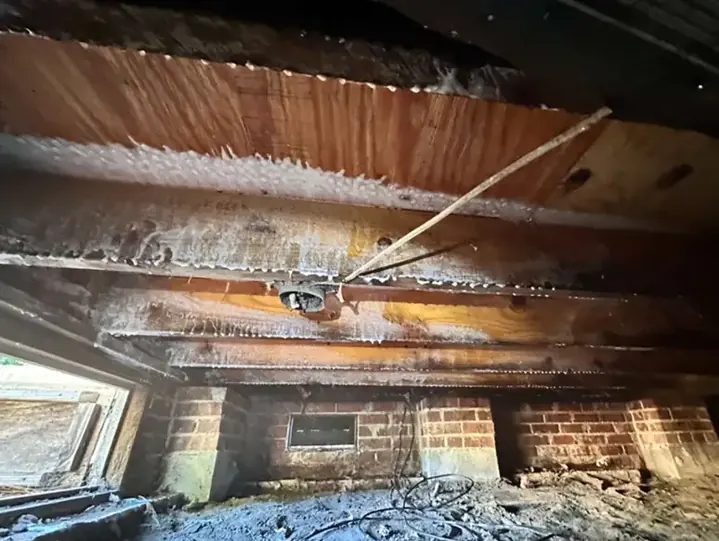
Most homeowners don’t spend time in their crawl space, so problems tend to build up before anyone notices. Here are some of the most common warning signs that something is going on beneath your home:
- Musty or damp smells in your living space, especially on the first floor
- Floors that feel soft, uneven, or bouncy when you walk
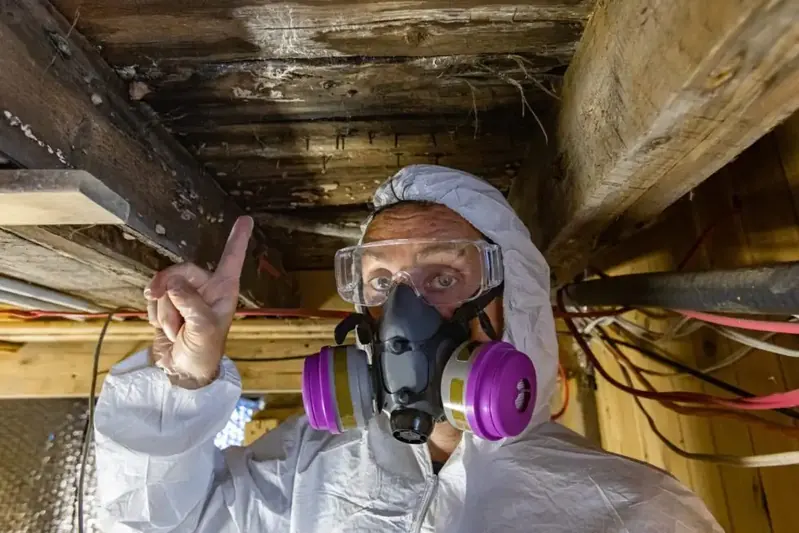
- Visible mold or mildew on floor joists or insulation
- Higher than normal humidity inside your home
- Standing water or wet soil in the crawl space
- Pest activity like insects or rodents making themselves at home
- Cracks in interior walls or around door frames
- Energy bills creeping up for no clear reason
Any one of these can point to a crawl space issue. If you’re noticing more than one, it’s worth getting a professional to take a look sooner rather than later.
What Happens During & After an Inspection
A crawl space inspection is the first real step toward figuring out what’s going on. Here’s what the process typically looks like with a reputable contractor:
A technician enters your crawl space and physically inspects the conditions. They check for moisture, standing water, mold, wood damage, pest activity, insulation condition, and the overall structural integrity of your supports, beams, and joists. They’ll also look at drainage around your foundation and whether your current vapor barrier (if you have one) is doing its job.
After the inspection, you should receive a clear explanation of what was found, with photos and documentation. A good contractor will walk you through the issues, explain what’s urgent and what can wait, and give you options rather than a high-pressure sales pitch.
From there, you’ll get a recommended repair plan based on your home’s specific needs. No two crawl spaces are the same, and the right solution depends on what’s actually causing the problem.
Common Sources of Moisture & Structural Damage
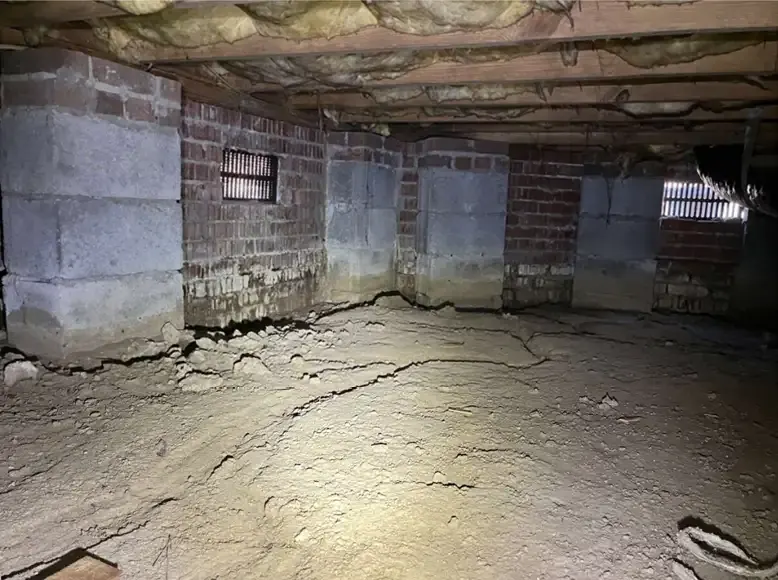
In North Carolina, crawl space problems usually come down to moisture. Our climate is humid, and many homes sit on soil that holds water. Here’s where the trouble typically starts:
- Groundwater and poor drainage: Water pools around or beneath the foundation, especially during heavy rains.
- Open or unsealed crawl spaces: Dirt floors and open vents allow humid air and moisture to enter freely.
- Plumbing leaks: Even a small, slow leak can create big problems over months or years.
- Grading issues: If the ground around your home slopes toward the foundation instead of away from it, water follows.
- Condensation: When warm, humid air meets cooler surfaces in the crawl space, moisture forms on wood, pipes, and insulation.
Once moisture takes hold, it creates a chain reaction. Wood begins to rot, mold starts growing, supports weaken, and pests move in. The longer it sits, the more damage it does.
Possible Repair Methods
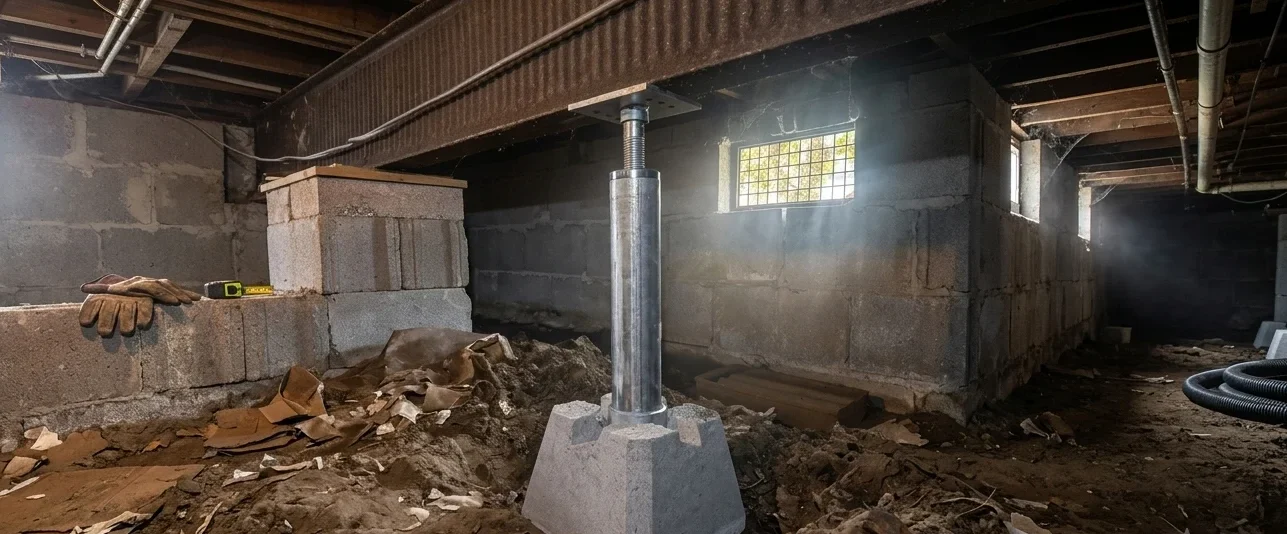
Crawl space repair isn’t one-size-fits-all. The right fix depends on what’s happening under your home. Here are some of the most common repair methods used in North Carolina:
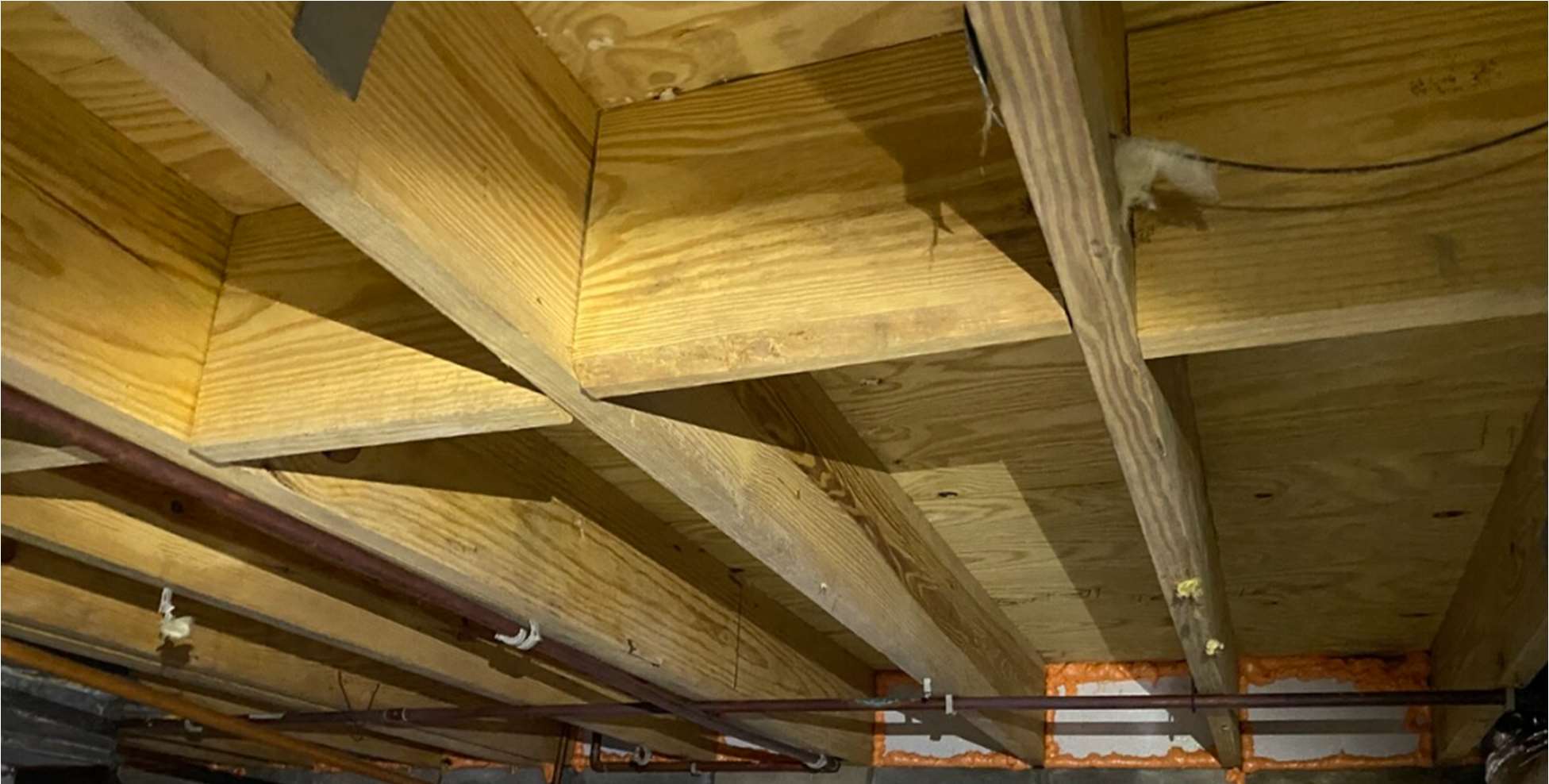
- Structural repairs: Replacing or reinforcing damaged beams, joists, or support posts that have weakened from rot or settling.
- Vapor barrier installation: Laying a heavy-duty plastic sheet over the crawl space floor to block ground moisture.
- Drainage systems: Installing French drains, sump pumps, or other systems to move water away from the foundation.
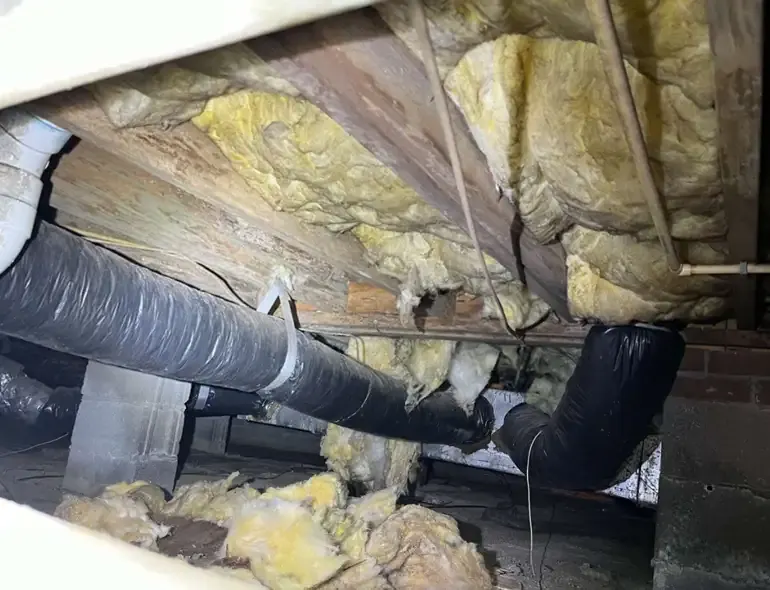
- Insulation repair or replacement: Removing old, damaged insulation and installing new material to improve comfort and efficiency.
- Mold treatment: Removing mold from affected surfaces and addressing the moisture source that caused it.
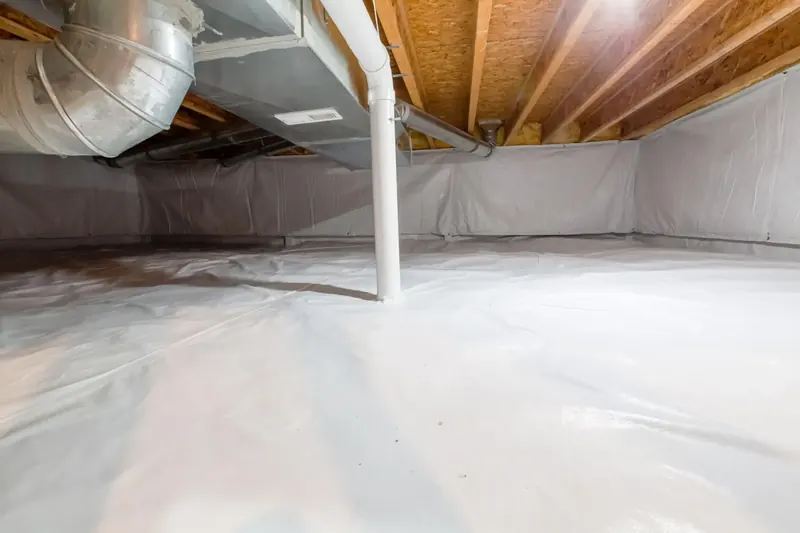
- Encapsulation: Fully sealing the crawl space with barriers on the floor and walls, combined with climate control, for long-term moisture prevention.
Most homes need a combination of these depending on how advanced the damage is.
The Difference Between Repair, Encapsulation, Drainage & Mold Treatment
These terms get thrown around a lot, so here’s a quick breakdown:
Crawl Space Repair
Crawl space repair is the broad category. It covers anything that fixes existing damage or addresses active problems, including structural work, moisture control, and pest-related fixes.
Crawl Space Encapsulation
Encapsulation is a preventative, long-term solution. It seals the entire crawl space to keep moisture out permanently. Think of it as wrapping your crawl space in a protective shell. Crawl space encapsulation is often recommended after repairs are complete to prevent the same problems from coming back.
Drainage Solutions
Drainage focuses specifically on water management. If water is entering your crawl space, drainage addresses the source, whether that’s installing a sump pump, adding a French drain, or regrading around the foundation.
Mold Removal
Mold treatment is exactly what it sounds like: removing mold that’s already growing and treating the area to prevent regrowth. But mold treatment alone won’t solve the problem if the moisture source isn’t fixed. That’s why it’s usually paired with other repairs.
In many cases, a complete crawl space project will involve elements of all four.
Factors That Affect Crawl Space Repair
Not every crawl space job is the same size. Several factors determine how involved the work will be:
- Size of the crawl space: A larger footprint means more material and labor.
- Extent of damage: A crawl space with minor moisture is a different job than one with structural rot and active mold.
- Accessibility: Some crawl spaces are tight or hard to reach, which can affect how work is done.
- Existing conditions: Whether you already have a vapor barrier, insulation, or drainage in place changes the scope.
- Cause of damage: A simple drainage issue is a different project than foundation settling paired with mold and wood rot.
A thorough inspection will clarify the scope before any work begins, so there shouldn’t be surprises.
What Homeowners Should Ask a Contractor
Before you commit to any crawl space work, here are some questions worth asking:
- What exactly did you find during the inspection?
- What’s causing the problem, and what will happen if I wait?
- What repairs do you recommend, and why?
- What materials will you use?
- How long will the work take?
- Do you offer financing options?
- What does your process look like from start to finish?
- Will you provide photos and documentation of the work?
A trustworthy contractor will answer these without hesitation. If someone can’t explain what they found or why they’re recommending a specific repair, that’s a red flag.
FAQs About
Crawl Space Repair
How do I know if my crawl space needs repair or just maintenance?
If you’re seeing signs like mold, standing water, soft floors, or wood damage, that’s beyond routine maintenance. An inspection will tell you exactly where things stand.
Can I do crawl space repairs myself?
Some minor tasks like clearing debris are doable, but anything involving structural work, mold, drainage, or encapsulation should be handled by professionals. The risks of doing it wrong far outweigh the savings.
How long does crawl space repair take?
Most projects are completed within a few days, though larger or more complex jobs can take longer. Your contractor should give you a clear timeline before work starts.
Will repairing my crawl space help with my energy bills?
In many cases, yes. Sealing and insulating your crawl space reduces the amount of outside air entering your home, which means your HVAC system doesn’t have to work as hard.
What if I only have a small amount of moisture?
Small moisture problems tend to become big moisture problems. Addressing it early is almost always less expensive and less disruptive than waiting.
If any of this sounds familiar, or you just want to know what’s going on under your home, the best move is a professional inspection. At Coastal Crawl Space and Foundation Repair, we offer free inspections for homeowners across Central and Eastern North Carolina. No pressure, no obligation. Just honest answers about what your home needs.